
Finding the ADHD medication that works for you
Deciding to explore ADHD medication is a big step, and it usually comes with a lot of questions. In this video, Cat Chadwick, our Clinical Lead for ADHD medication, explains the different types of treatment available, clears up some of the myths, and shares what you can expect from us along the way.
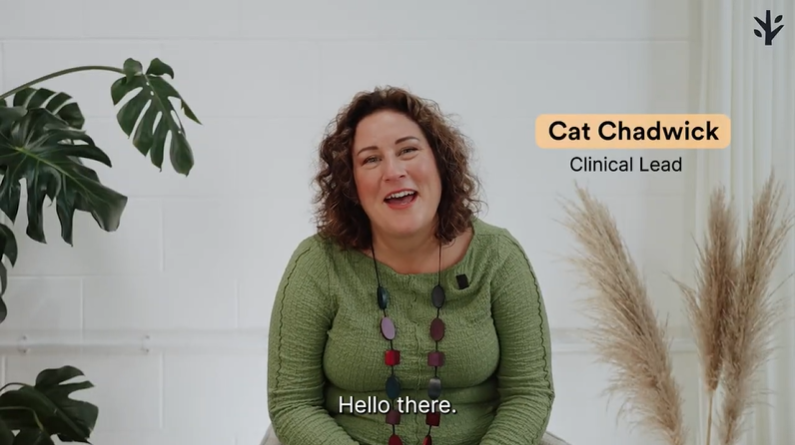
What to expect from ADHD medication.
Safe, informed and supported
Everything we share with you is evidence based, factual and in line with current clinical standards and NICE guidelines. Our goal is a simple one. We want you to feel safe, informed and supported every step of the way.
Two types of medication
Broadly, there are stimulants and non-stimulants.
Stimulants are the first line treatment recommended by NICE and are generally the most effective for ADHD. They are short acting and flexible, so you can miss a day if you need to without physical complications.
We explore non-stimulants if stimulants are not medically suitable for you, or if they have not had the effect you hoped for.
What we might prescribe
Methylphenidate is a first line choice for children, young people and adults. It comes in different release profiles, lasting anywhere from four hours to twelve.
Lisdexamfetamine, also known as Elvanse, is often used with adults and can last up to thirteen hours.
Dexamfetamine is short acting, at around four hours, and useful when a longer profile does not suit your day.
Atomoxetine builds up gradually and can take ten to twelve weeks to take full effect. It works well for 24 hour cover, and for people who also experience anxiety.
Guanfacine is calming and taken in the evening. It can help with sleep, and is often used where emotional dysregulation or impulsivity are the main features.
Monitoring is part of the care
For every ADHD medication, physical health monitoring is essential. We check blood pressure, pulse and weight, plus height for children and young people.
You can take these readings at home or at a local pharmacy, and we need them at every appointment. Without them we cannot safely issue a prescription, and we would much rather you never run out.
Honest about side effects
You might notice headaches, a dry mouth, or disturbed sleep if you take your medication too late in the day. Most side effects are minor and settle within a few days as your body adjusts, so if the medication is working well, it is worth persevering.
Stimulants can reduce your appetite. This is manageable, often by eating more in the evening once the medication wears off, and we monitor growth closely in children.
Sometimes, when ADHD symptoms settle, the mental space that opens up can bring difficult feelings to the surface. If that happens, we may suggest talking therapy to help you work through it.
Finding the right dose
If a dose is too high, some people say they feel robotic, or that they have lost their creativity. We take titration slowly for exactly that reason. We are looking for the lowest effective dose that manages your symptoms without changing who you are.
You are in good hands
Our prescribers are highly experienced, qualified and committed to your safety. We will do everything we can to make sure you feel informed, heard and supported, every step of the way.
Not sure where to start?
Our clinical team can talk through your options and help you work out the right next step, whether that is for you or for someone you care about.