
Welcome to our resources hub.
Your go-to hub for expert insights, practical tips and trusted advice. Our experienced team have combined their knowledge, research and real-world experience to create bite-sized articles you can dip into any time.
So, whether you’re here to learn something new, solve a problem or just get inspired, you’re in the right place. Make yourself at home and enjoy a browse!
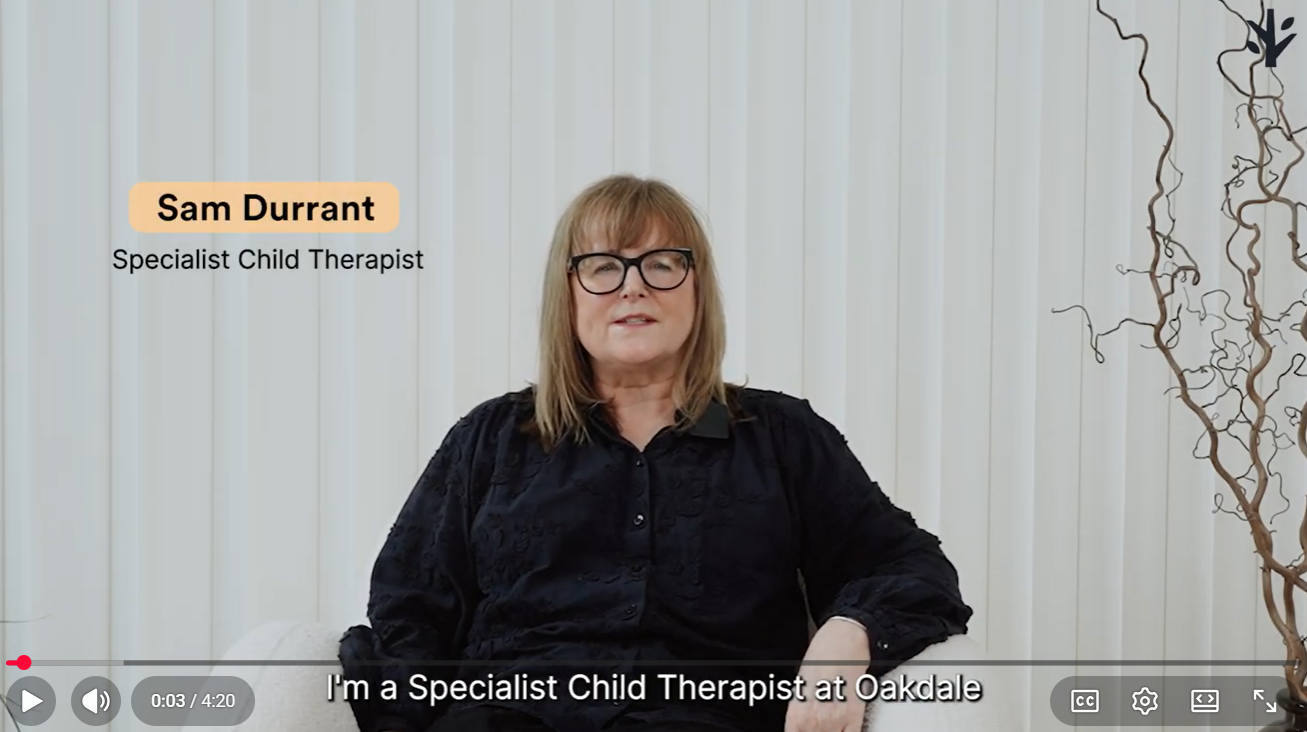
Difficult experiences can stay live in our system long after the event itself, whether it happened last month or decades ago. In this video, Sam Durrant, Specialist Child Therapist trained in EMDR, explains how the therapy works, what bilateral stimulation actually involves, and how sessions are adapted for children and young people.
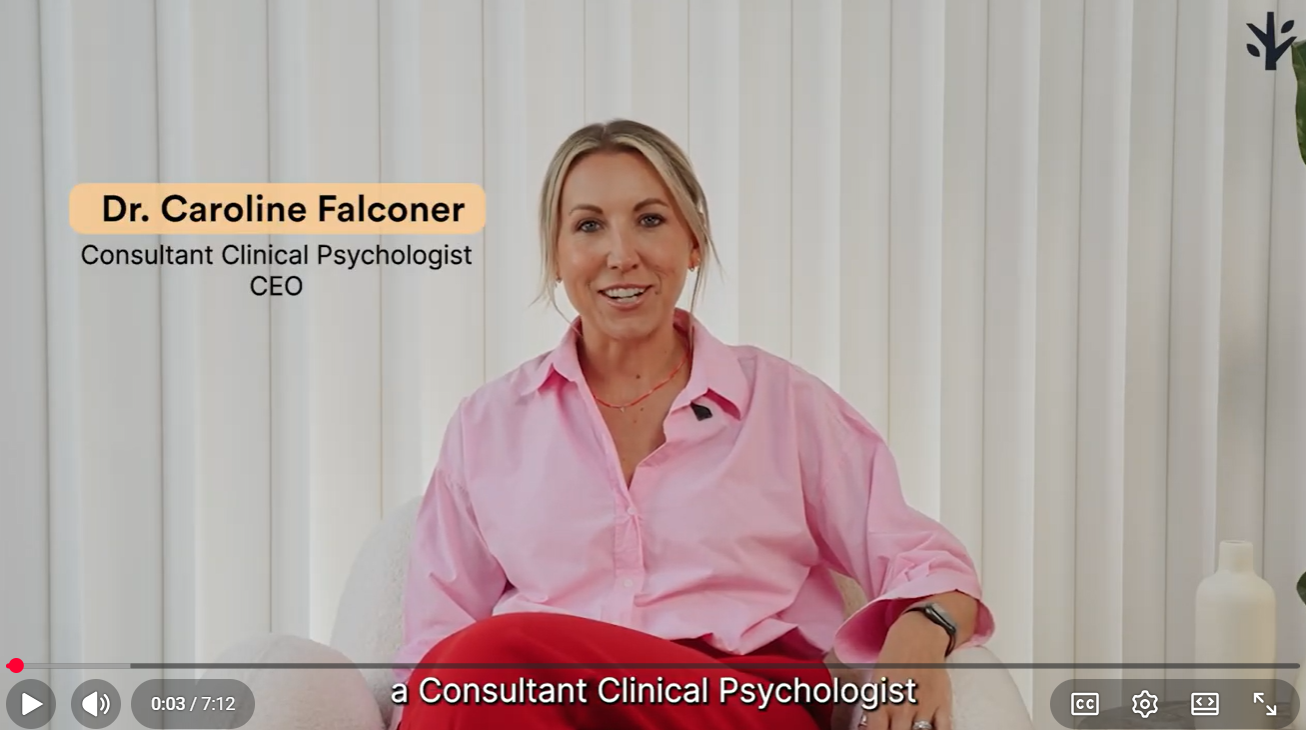
If you or your child have struggled with reading, writing or spelling, you may have wondered whether dyslexia is a factor. In this video, Dr Caroline Falconer, Consultant Clinical Psychologist and CEO, explains the cognitive signs, how dyslexia often overlaps with dyspraxia, and what a formal assessment can open up.
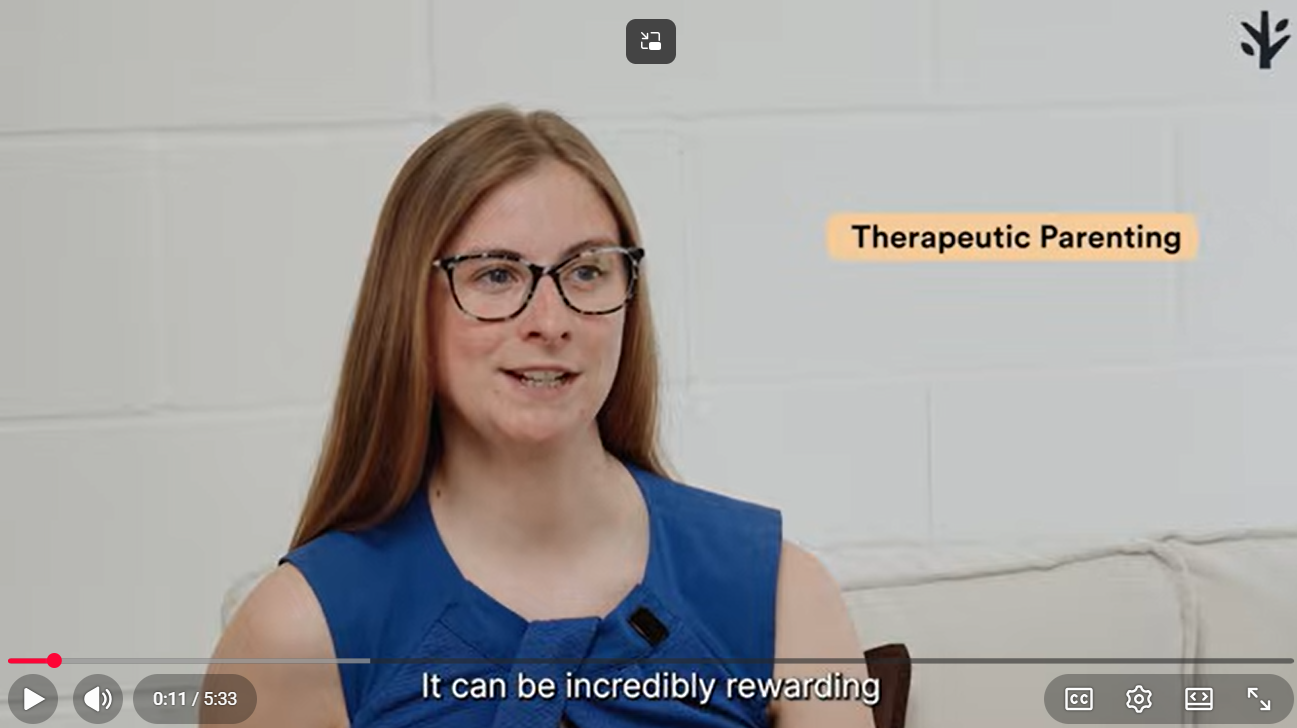
When communication starts to fracture and emotions run high, parenting a teenager can feel deeply isolating. In this video, Dr Jess Guilding, Clinical Lead for Children and Young People, introduces therapeutic parenting, an approach that stops asking how do I stop this behaviour and starts asking what this behaviour is trying to communicate.
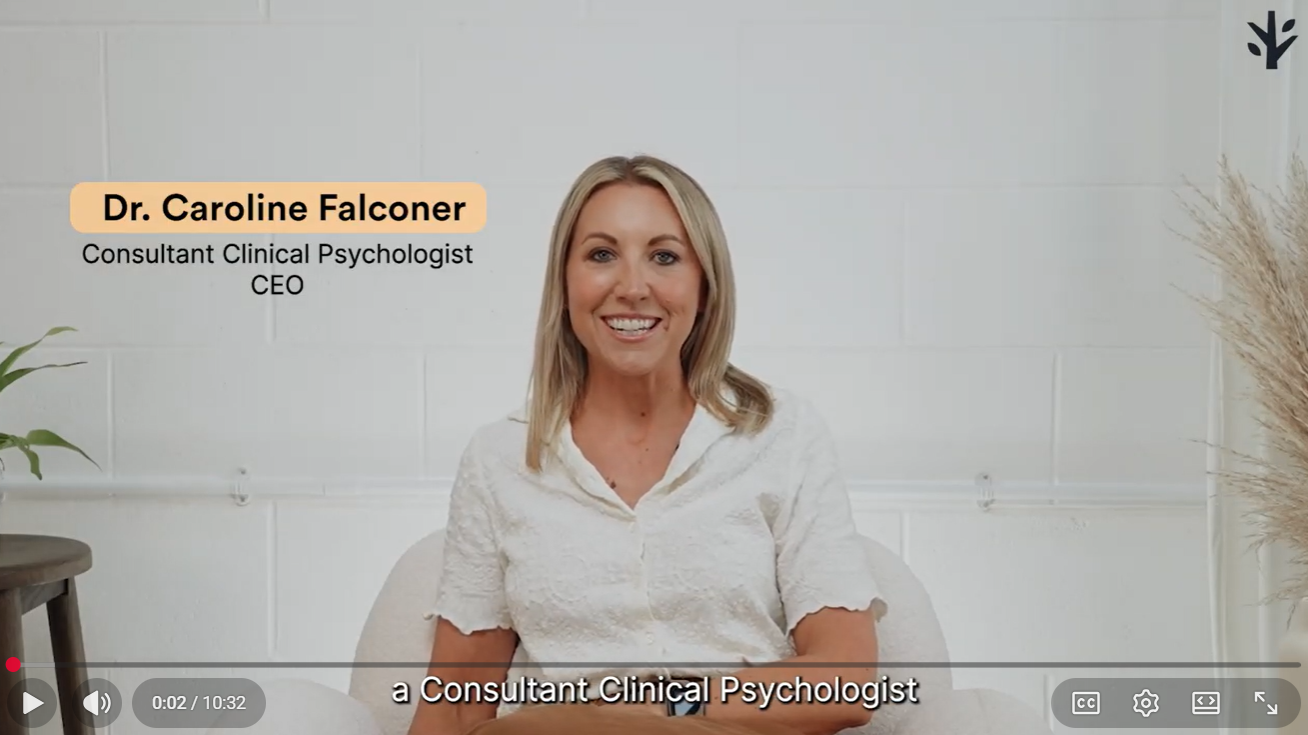
Standard talking therapy was not designed with neurodivergent minds in mind, and it can leave people feeling misunderstood by the very process meant to help them. In this video, Dr Caroline Falconer, Consultant Clinical Psychologist and CEO, explains what neuroaffirmative therapy actually changes in the room, from the language we use to the goals we set.
The question parents ask us most often is not about the assessment itself. It is how do I explain this to my child. In this video, Dr Jess Guilding, Clinical Lead for Children and Young People, shares a compassionate framework for those conversations, whether you are still on a waiting list or have just received a formal diagnosis.
Both of these approaches use play, but they work in quite different ways and suit different children and families. In this video, Sam Durrant, Specialist Child Therapist, explains what each one involves, who it tends to help and how we decide which is right for a child.
Families often come to us wanting to understand how their brain, or their child's brain, processes information. In this video, Dr Caroline Falconer, Consultant Clinical Psychologist and CEO, explains what an intellectual disability diagnosis actually means, how the science behind the assessment works, and what we do to make the experience feel as comfortable as possible.
If you have ever found yourself saying "just calm down" and watched it make no difference at all, you are far from alone. In this video, Dr Caroline Falconer, Consultant Clinical Psychologist, talks with Dr Jude Johnston, Director of Psychological Therapies, about the difference between self-regulation and co-regulation, and why one has to come before the other.
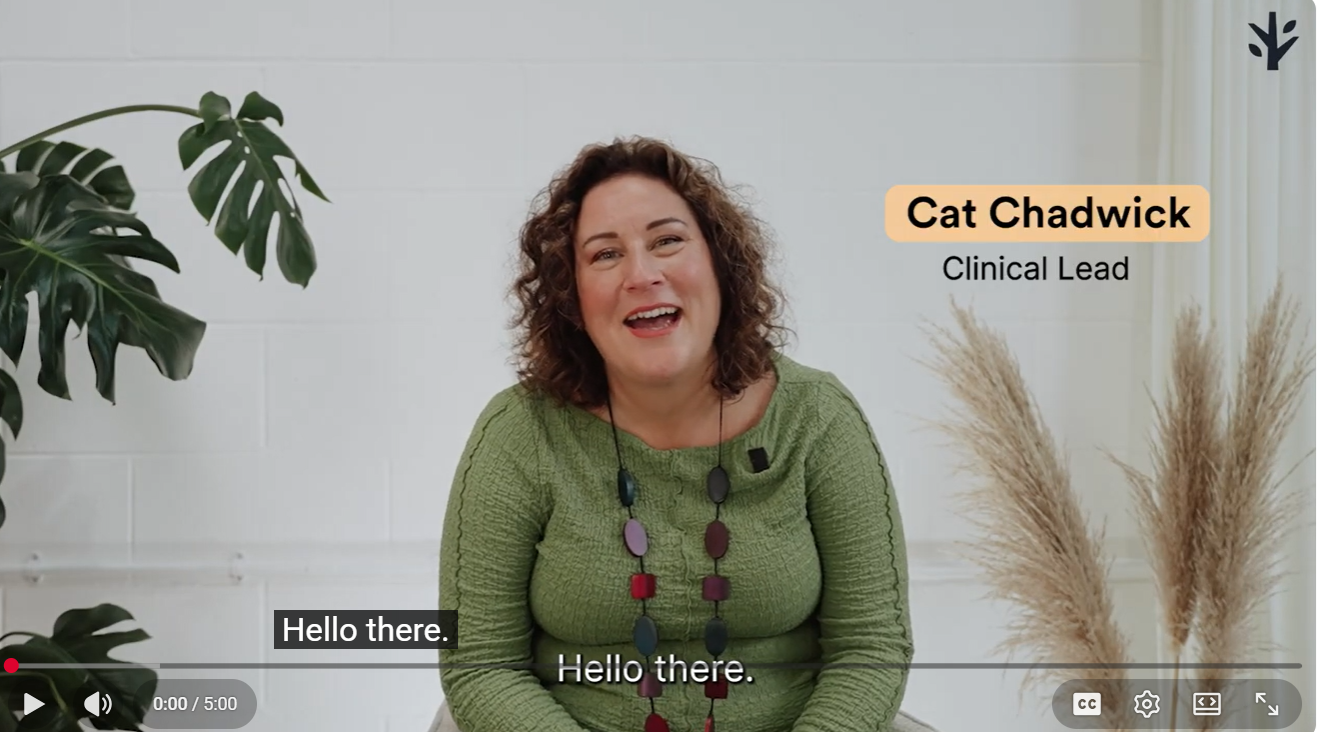
Deciding to explore medication is a big step, and it often comes with a lot of questions. In this video, Cat Chadwick, Clinical Lead for our ADHD medication service, explains the types of treatment available, clears up some common myths and shares the facts you need to feel confident about what comes next.




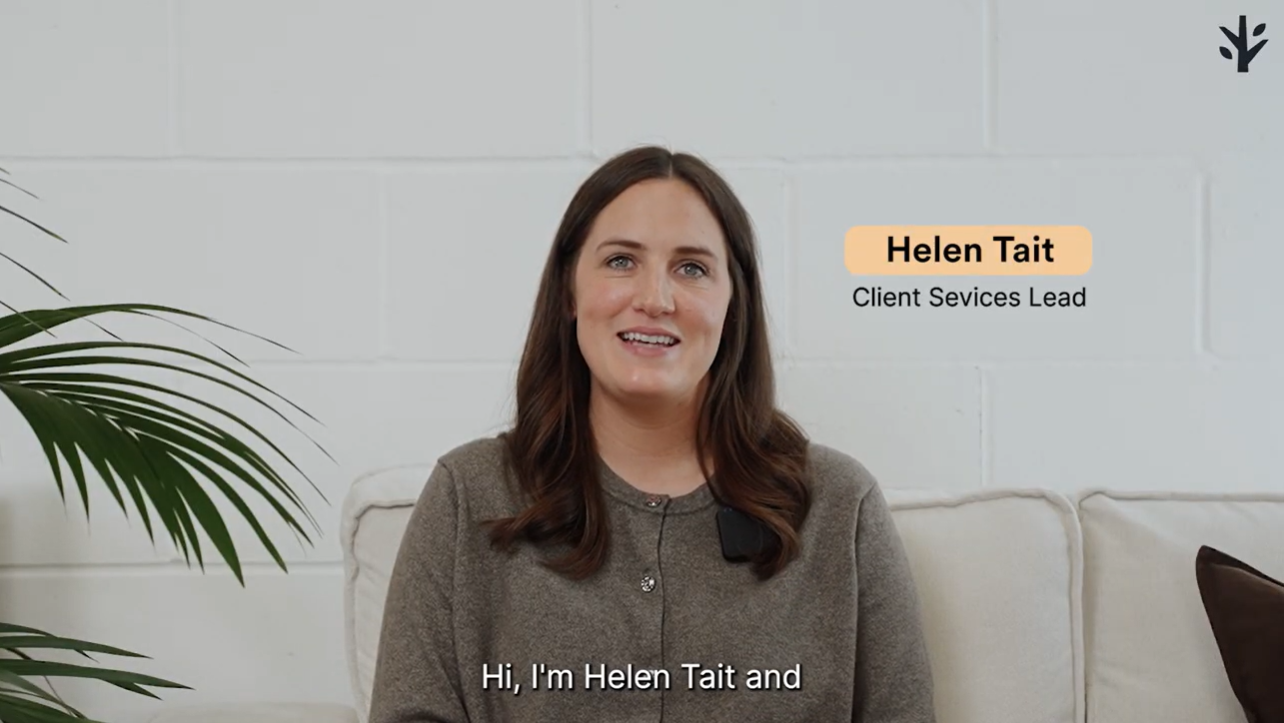
If you are considering therapy for the first time, it is completely natural to feel a mix of curiosity and nerves. In this video, Helen Tait, Client Services Lead and Psychotherapist walks you through what to expect, from the moment you arrive at our door to the way you and your therapist work together.
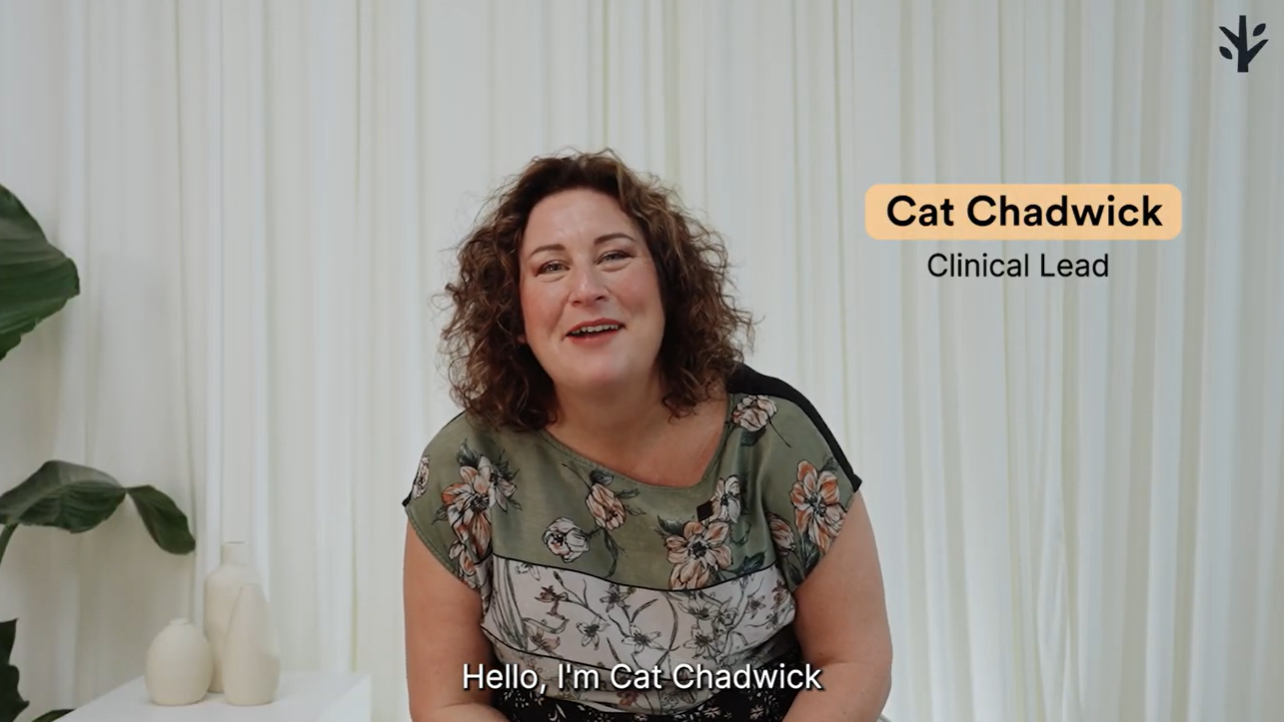
Medication is not the only thing that helps with ADHD, and for some people it is not the right route at all. In this video, Cat Chadwick explains the practical changes you can make at school, at work and at home, and the UK funding and legal protections you may not know are available to you.
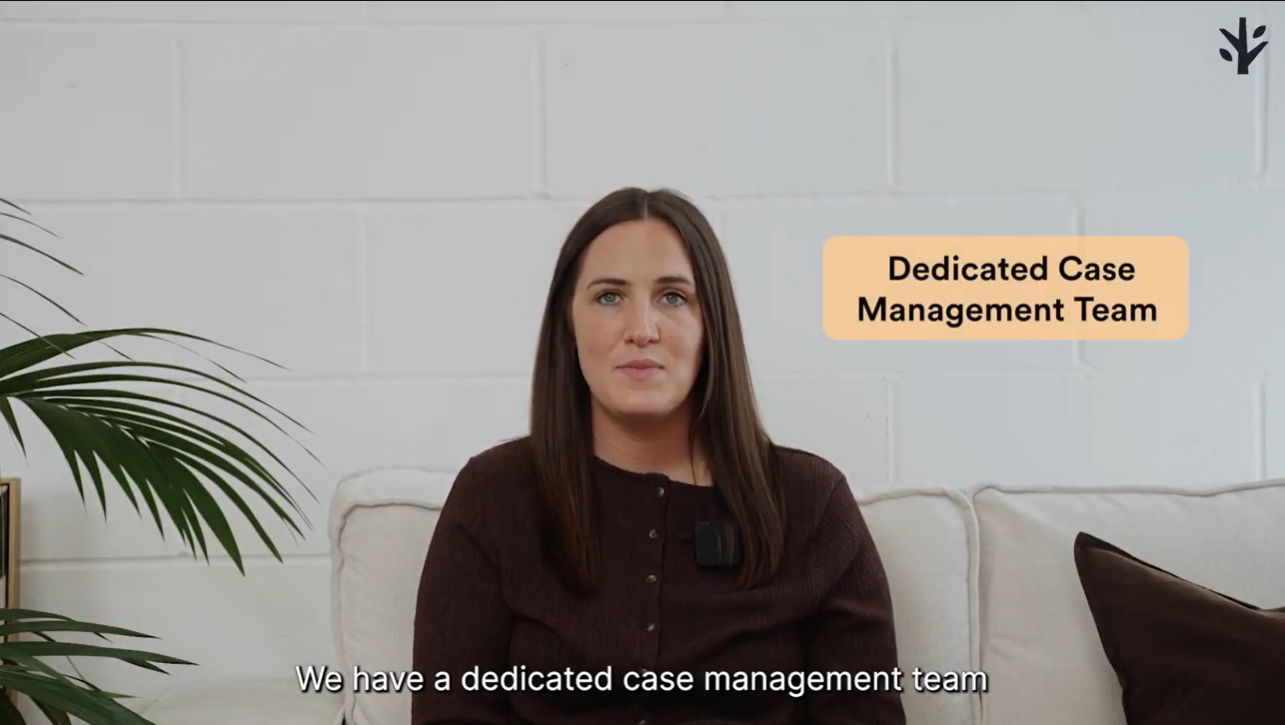
Looking for a therapist can feel overwhelming, and it is hard to know where to start. In this video, Helen Tait, our Client Services Lead for psychological therapies, explains what makes a good match, what to look for in those first few sessions, and how we help you find the right person.
Early experiences of loss, neglect or trauma can shape a child's relationships and emotional wellbeing for years afterwards. In this video, Dr Jude Johnston, our Director of Psychological Therapies, introduces our adoption support and trauma service, and explains how we help children, young people and families begin to heal.
The years between 16 and 25 bring some of the biggest changes you will ever navigate, often all at once. In this video, Helen Tait, our Client Services Lead for psychological therapies, explains what resilience really means at this stage of life, and shares practical ways to strengthen it.